

Paediatric PoCUS: Supervised Scanning Sessions
Many clinicians complete a basic ultrasound course but find it difficult to begin independent training scans. Whether you lack local mentorship, want a refresher after your CACTUS or Basic Paediatric PoCUS course, or simply want to ensure your technique is safe before scanning unsupervised, these sessions are designed to help.
These sessions maximise hands-on scanning experience with supervision from senior clinicians working in paediatric emergency and acute care settings. You will also have the opportunity to save several scans for your logbook.
Please note: These sessions are intended to prepare you for unsupervised training scans as part of your logbook progression. They do not qualify you for independent diagnostic scanning.
Next Date: 17th April 2026
Course Times: 2:00pm – 5:00pm
Fee: £159
Venue: Terracotta Court (ground floor), 167 Tower Bridge Road, London, SE1 3LN
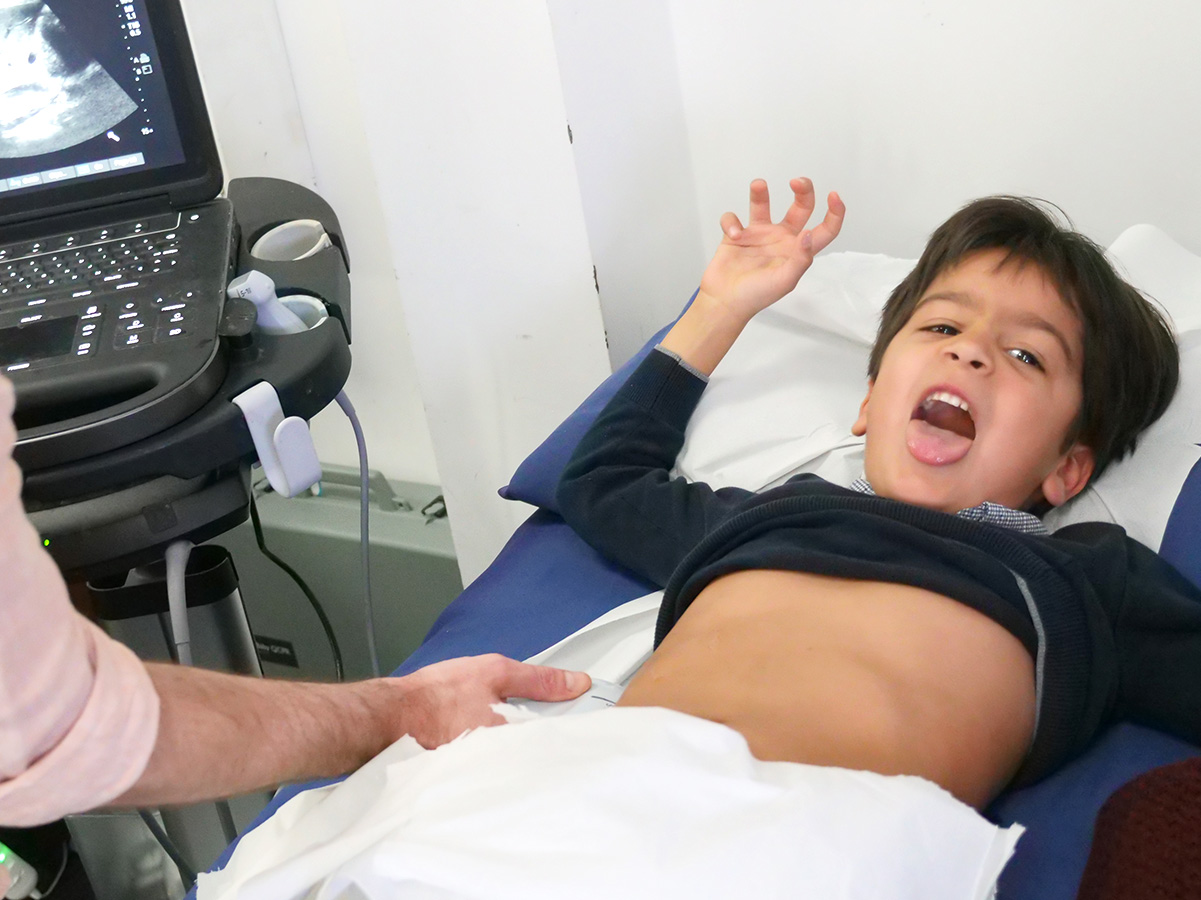

21 years of teaching EM and PoCUS courses

23,000+ clinicians have taken our courses

4.9 out of 5 is our average Google review score
About Our Supervised Paediatric Scanning Sessions
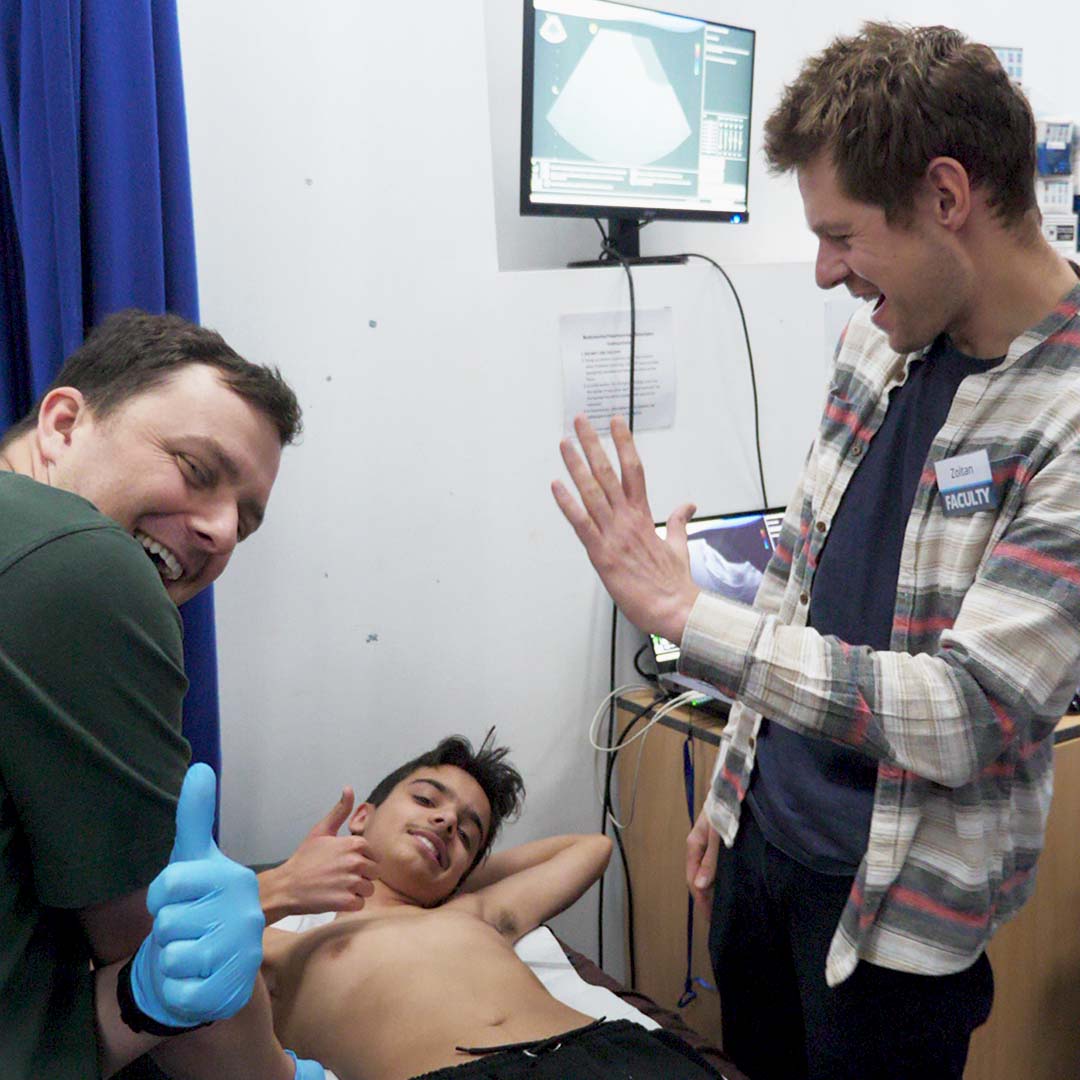
Who Are These Sessions for?
These sessions are suitable for clinicians who have completed our Basic Paediatric Ultrasound Course (or an equivalent introductory Paediatric PoCUS programme) and now need support before starting unsupervised scanning in their clinical environment.
They are designed for those who want to build confidence, refine their technique, and begin collecting the scans required for their training logbook and portfolio sign-off.
Why Supervised Scanning Matters
Point-of-care ultrasound is a practical skill that improves with repetition, feedback, and reflection. While introductory courses provide the foundations, many clinicians find it difficult to progress to independent scanning without structured supervision.
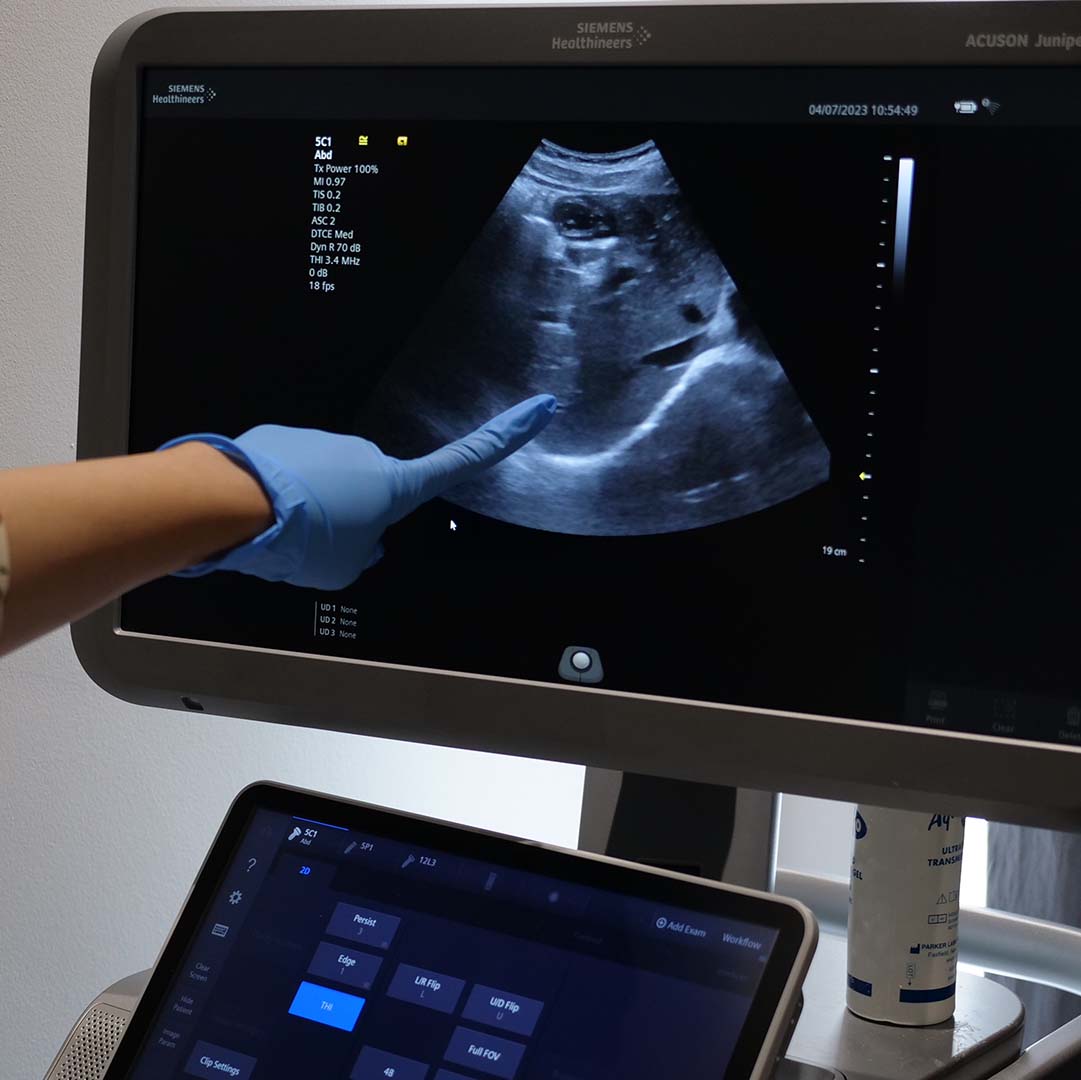
Supervised scanning sessions provide a safe environment to practise image acquisition, refine probe handling, and confirm that key anatomical structures are being identified correctly. Immediate feedback from experienced faculty helps correct small technical issues early (before they become habits) and ensures that scans saved in your portfolio meet expected training standards.
What to Expect
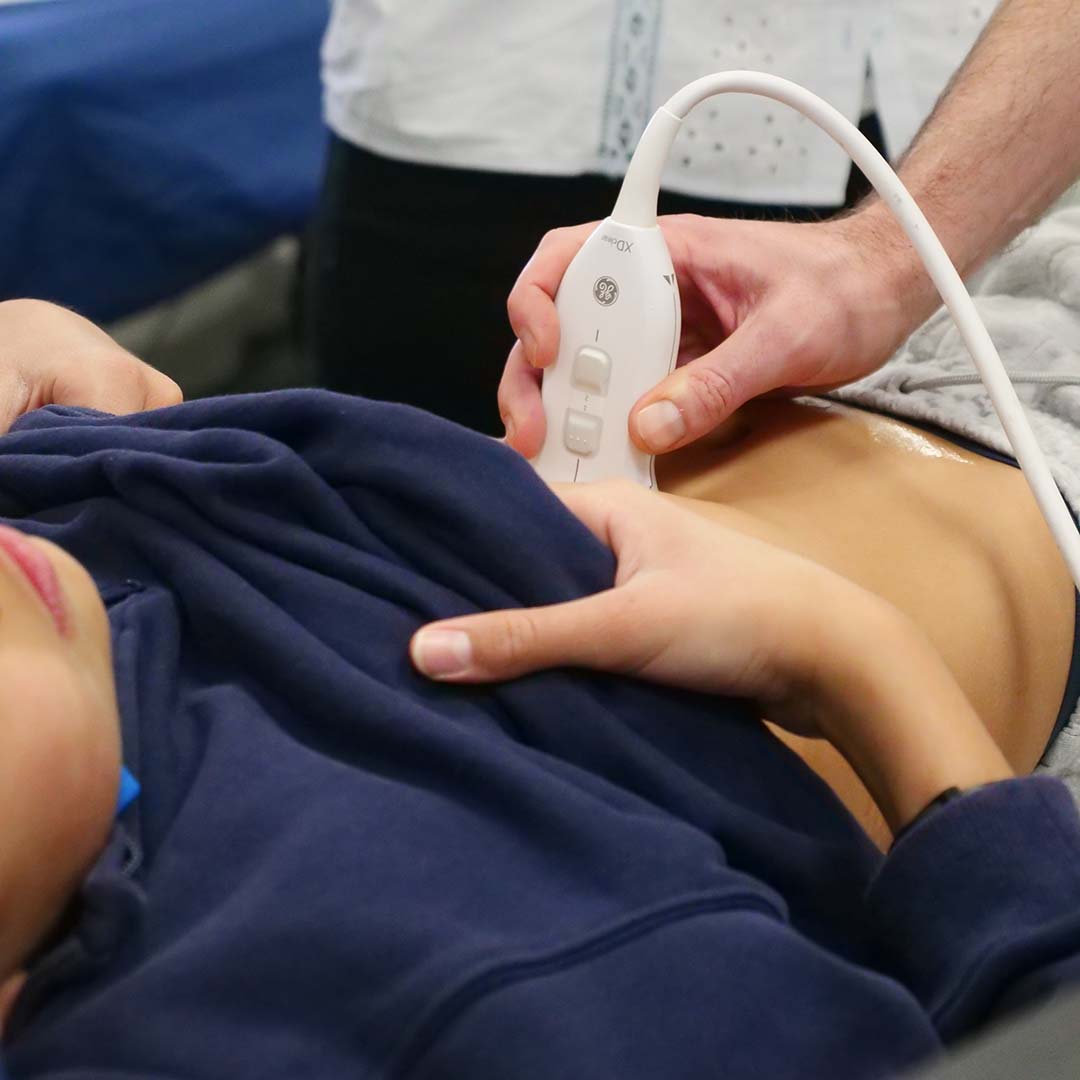
These sessions focus on skill refinement and portfolio progression. You will scan both adult models and paediatric subjects to provide a realistic learning experience.
Small groups: High faculty-to-participant ratios ensure personalised feedback and supervision.
Portfolio support: Faculty can sign DOPS assessments for CACTUS logbooks or Royal College portfolios (RCPCH, RCEM, FICM).
Scan volume: Each participant will complete and save supervised scans in each core module: Lung, Cardiac, and Abdomen.
Learning Objectives
Our faculty will assess your readiness for unsupervised training in the following competencies.
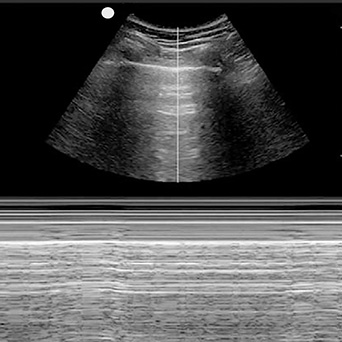
Lung Ultrasound
- Appropriate probe selection, gain, depth, and positioning
- Identification of intercostal morphology
- Pleural sliding
- Recognition of A-lines, B-lines, Z-lines, and lung pulse
- Identification of the diaphragm and subdiaphragmatic structures
- Recognition of pleural effusion
- Thymus (where visible)
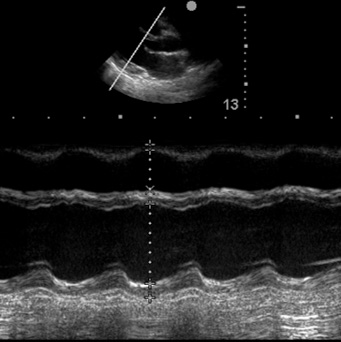
Cardiac Ultrasound
- Appropriate probe selection, gain, depth, and positioning
- Subcostal four-chamber view
- Subcostal IVC and aorta assessment
- Apical four-chamber view
- Parasternal long-axis view
- Parasternal short-axis view
- Assessment for pericardial fluid
- Qualitative ventricular function (“eyeballing”)
- Assessment of venous return and preload
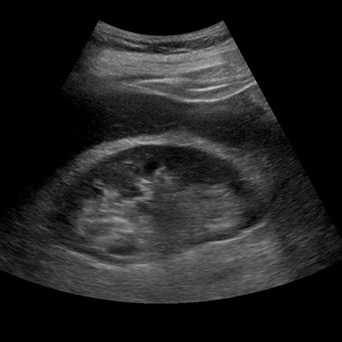
Abdominal Ultrasound
- Appropriate probe selection, gain, depth, and positioning
- FAST scan space identification
- Right and left upper quadrant views
- Suprapubic region (two planes)
- Recognition of free fluid vs organ-related fluid
- Identification of parenchymal organs (liver, kidneys, spleen)
- Gallbladder and urinary bladder

What doctors are saying about our Basic Paediatric Ultrasound Course
We are launching these scanning sessions to complement our Basic Paediatric Ultrasound course (CACTUS accredited), which we have been teaching since 2022. Watch the testimonials from our previous course attendees below.
You Might Also Be Interested In:
Subscribe to our weekly newsletter for updates on Emergency Medicine and Ultrasound courses
*By proceeding you give your consent to be contacted via email with updates on courses and events by Bromley Emergency Courses. You may unsubscribe from these communications at any time. We will never share your details with 3rd parties and will only use your email to send you information about our upcoming courses and other offers.